
No products in the cart.

Every growing business hits a predictable operational bottleneck. As headcounts expand and branch offices multiply, purchasing essential indirect goods from office machines, networking hardware, and ergonomic furniture to

Summary
“Is your office copier constantly breaking down? Learn how an Annual Maintenance Contract (AMC) can save you money and keep your business running smoothly.”
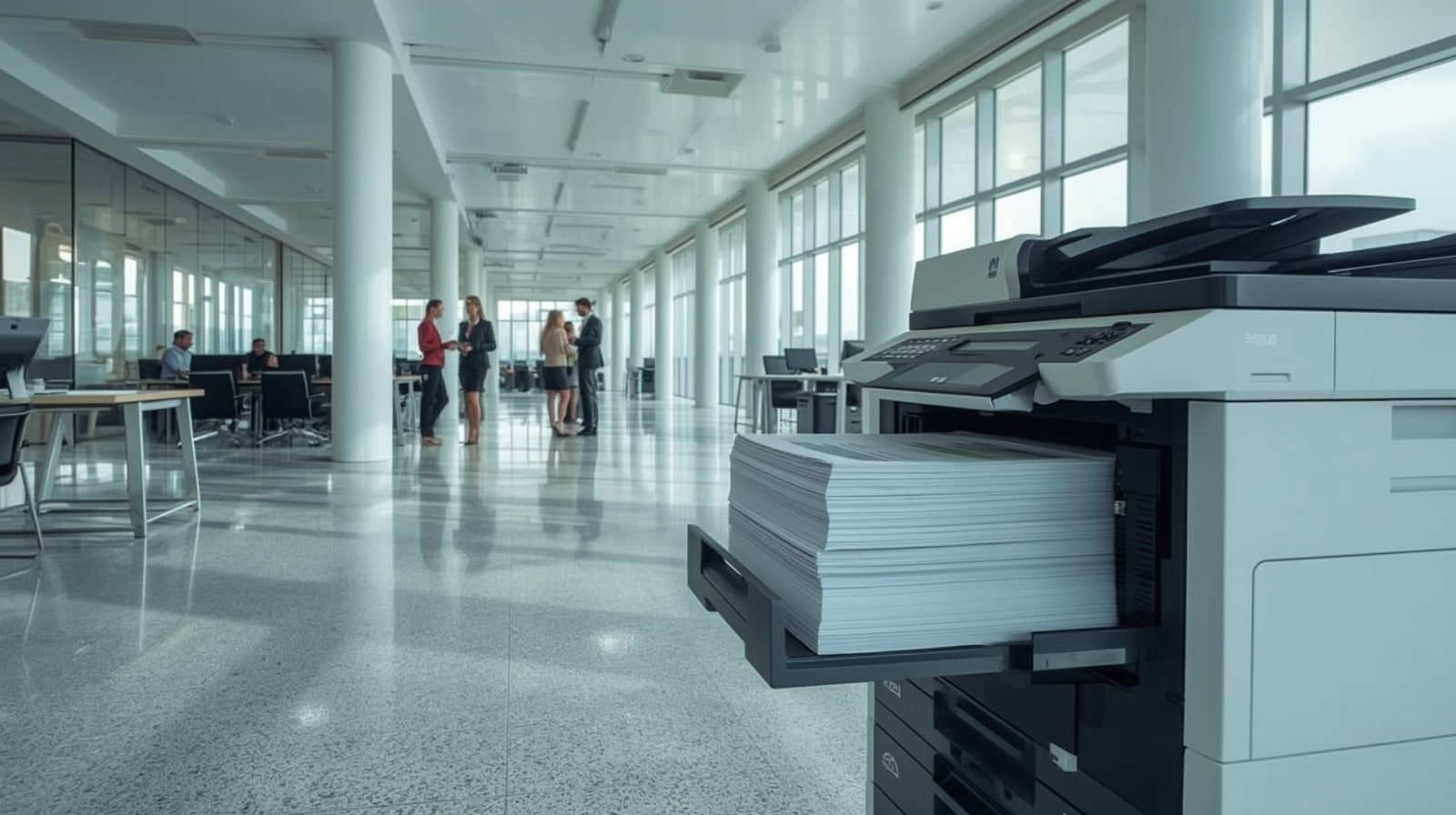
It is 2:00 PM on a Tuesday. Your team is rushing to compile presentation booklets for a major client meeting. Suddenly, the office hum is interrupted by a beep, a grinding noise, and silence. The photocopier has jammed, and an error code is flashing on the screen. Work stops. Frustration mounts.
If you are an office manager or business owner, you know this scenario all too well. Modern copiers are the heartbeat of office productivity, but they are also complex machines with hundreds of moving parts. When they fail, it costs more than just the price of a repair; it costs you time, employee momentum, and potentially business reputation.
This is where an Annual Maintenance Contract (AMC) for copiers becomes a vital business asset. Think of it as a health insurance policy for your office equipment. Instead of reacting to disasters, you prevent them.
In this guide, we will explore exactly what an AMC is, the different types of contracts available, and why savvy B2B procurement officers are shifting from ad-hoc repairs to comprehensive maintenance plans. If you are looking to secure your office supplies and hardware longevity, this guide is for you.
An Annual Maintenance Contract (AMC) is a service agreement between your business and a service provider. In exchange for a fixed annual fee, the provider guarantees to maintain your photocopier or printer in optimal working condition.
Unlike a standard warranty, which typically covers manufacturing defects for a limited time (usually one year), an AMC is designed for the long-term operational life of the machine. It ensures that your equipment is regularly checked, cleaned, and serviced, regardless of whether a breakdown has occurred.
For businesses utilizing Supplies Hub for their daily operations, understanding the specific types of AMCs is crucial for budgeting.
This is often referred to as the “worry-free” option. A comprehensive AMC usually covers:
This is a “service-only” agreement. It typically covers:
Choosing between these two depends on the age of your machine and your risk tolerance. A new machine might only need a non-comprehensive plan, while an older workhorse benefits from a comprehensive cover.
Why should you commit to a contract rather than just paying for repairs as they happen? Here are the five key reasons why an AMC delivers a better Return on Investment (ROI).
In the B2B world, financial predictability is king. With an ad-hoc repair model, a sudden motherboard failure could cost you hundreds or thousands of dollars in a single month, wrecking your quarterly budget.
With an Annual Maintenance Contract (AMC) for copiers, you pay a fixed cost once a year. This allows you to forecast your office overheads with precision. There are no hidden spikes in costs, regardless of how many times the technician visits.
The most expensive part of a broken copier isn’t the repair bill; it is the lost productivity. If your employees cannot print invoices, scan contracts, or copy handouts, your revenue-generating activities stall.
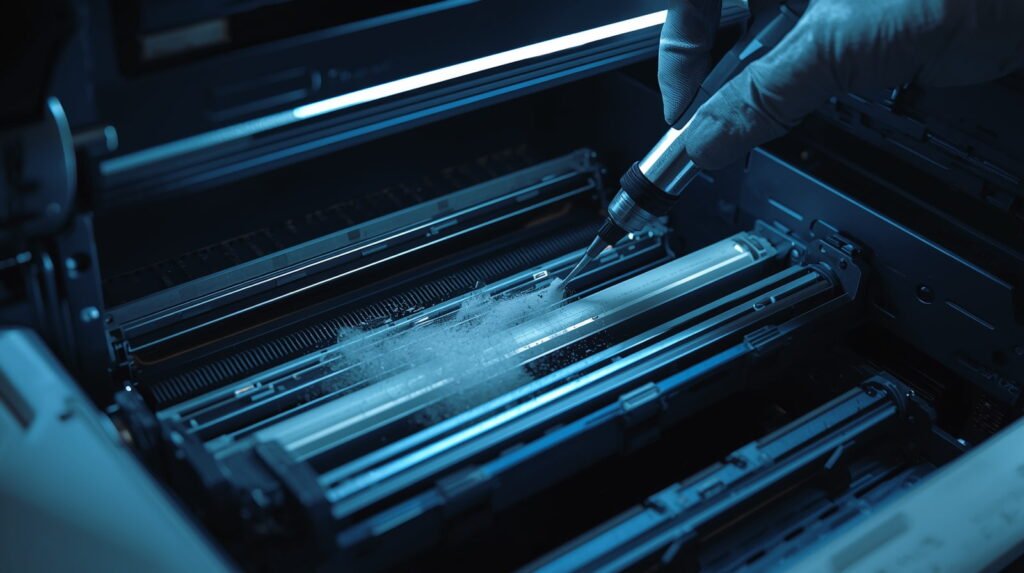
AMCs focus on preventive maintenance. Technicians visit your site regularly (e.g., quarterly) to inspect the machine. They catch worn-out pickup rollers before they jam, and they clean optical sensors before your prints start looking streaky. This proactive approach drastically reduces emergency breakdowns.
When a copier breaks down, you want it fixed immediately. However, repair companies prioritize their contract clients. If you are relying on ad-hoc service, you are essentially in the back of the queue.
An AMC guarantees a specific response time, known as a Service Level Agreement (SLA). Whether it is 4 hours or the next business day, you have a contract that ensures your call is prioritized over non-contract customers.
A photocopier is a significant capital investment. Like a car, if you never change the oil or check the tires, the engine will die prematurely.
Regular servicing under an AMC ensures that the internal mechanisms are lubricated, free of paper dust, and calibrated correctly. This can extend the life of your copier by several years, delaying the need for expensive capital expenditure on new equipment.
When you hire a random repair service for a one-off job, they may use third-party or refurbished parts to keep their costs low. These parts often fail faster and can damage other components of your machine.
Reputable AMC providers usually guarantee the use of Original Equipment Manufacturer (OEM) parts. Whether you run Canon, Ricoh, or Konica Minolta machines, an AMC ensures the integrity of your hardware is maintained with genuine components.
Many businesses hesitate to sign a contract because they believe they can save money by only paying when something breaks. This is often a false economy. Let’s look at the comparison.
The Verdict: If your office prints more than 1,000 pages a month, the Ad-Hoc approach is statistically likely to cost you more over 3 years than a comprehensive AMC.
When you sign an AMC, what are you actually getting? While every contract varies, a standard B2B copier AMC typically includes the following technical services.
This is the core of the contract. A technician will visit your office at set intervals (usually every 3 months). During this visit, they will:
If the machine stops working between scheduled visits, the AMC covers the emergency call-out. You can call the provider as many times as necessary without incurring extra labor charges.
In a comprehensive AMC, if a gear snaps or a circuit board fries, the provider replaces it at no extra cost. Considering a single fuser unit can cost hundreds of dollars, this coverage alone often pays for the contract.
Many AMC providers will offer basic training for your staff during their visits. They can teach your team how to clear simple jams, how to replace toner correctly, and how to use advanced features like duplex scanning.
Not every printer needs an AMC. A small $100 inkjet printer on a desk is cheaper to replace than to maintain. However, for floor-standing copiers and heavy-duty multifunction printers (MFPs), an AMC is essential. You should consider an AMC if:
Not all maintenance contracts are created equal. When shopping for an Annual Maintenance Contract (AMC) for copiers, ask the following questions to ensure you are partnering with a reliable vendor.
Standard response time is often “Next Business Day.” If your business requires faster support, look for providers offering 4-hour or 8-hour response windows.
A technician arriving quickly is useless if they don’t have the parts to fix the machine. Ask the provider if they keep stock for your specific model of copier.
Modern copiers are sophisticated computers. Ensure the technicians are certified by the manufacturer (e.g., Canon certified, HP certified) to handle firmware and complex mechanical repairs.
Always read the fine print. Are rubber rollers included? Is the laser unit included? Knowing the exclusions prevents arguments later.
At Supplies Hub, we understand that your office requires seamless operation. Whether you need reliable equipment or high-quality consumables, ensuring you have the right support structure is key.
Generally, no. A standard AMC covers the machine’s hardware (parts and labor). Toner and paper are usually considered “consumables” and are purchased separately. However, some providers offer a “Cost Per Copy” (CPC) model which charges you per page printed and includes toner in that rate.
Yes, but most providers will insist on an inspection first. If the machine is in reasonable condition, they will cover it. If the machine is obsolete (parts are no longer manufactured), they may decline the contract.
Yes. Even new machines can jam or suffer software glitches. While the warranty covers defects, it often does not cover “maintenance” like cleaning or clearing user-caused jams. An AMC fills that gap.
The cost is usually a percentage of the machine’s value or a flat rate based on the machine’s speed (Pages Per Minute) and age.
Running a business involves managing risks and costs. Your office copier is a significant asset that drives communication and record-keeping. Ignoring its maintenance is a gamble that eventually leads to frustration and high emergency repair bills.
An Annual Maintenance Contract (AMC) for copiers is not just an expense; it is an investment in productivity. It transforms an unpredictable variable into a fixed, manageable cost. It ensures that your team faces fewer interruptions, your prints remain high quality, and your equipment lasts for years longer.
Whether you choose a comprehensive plan for total peace of mind or a non-comprehensive plan for basic support, the key is to be proactive. Don’t wait for the “Out of Order” sign to disrupt your workday.
If you are looking to streamline your office operations with top-tier supplies and equipment advice, explore our range at Supplies Hub. From high-quality toners to essential office gear, we are here to help your business run without a hitch. Contact us today to learn more about how we can support your office infrastructure.

Every growing business hits a predictable operational bottleneck. As headcounts expand and branch offices multiply, purchasing essential indirect goods from office machines, networking hardware, and ergonomic furniture to
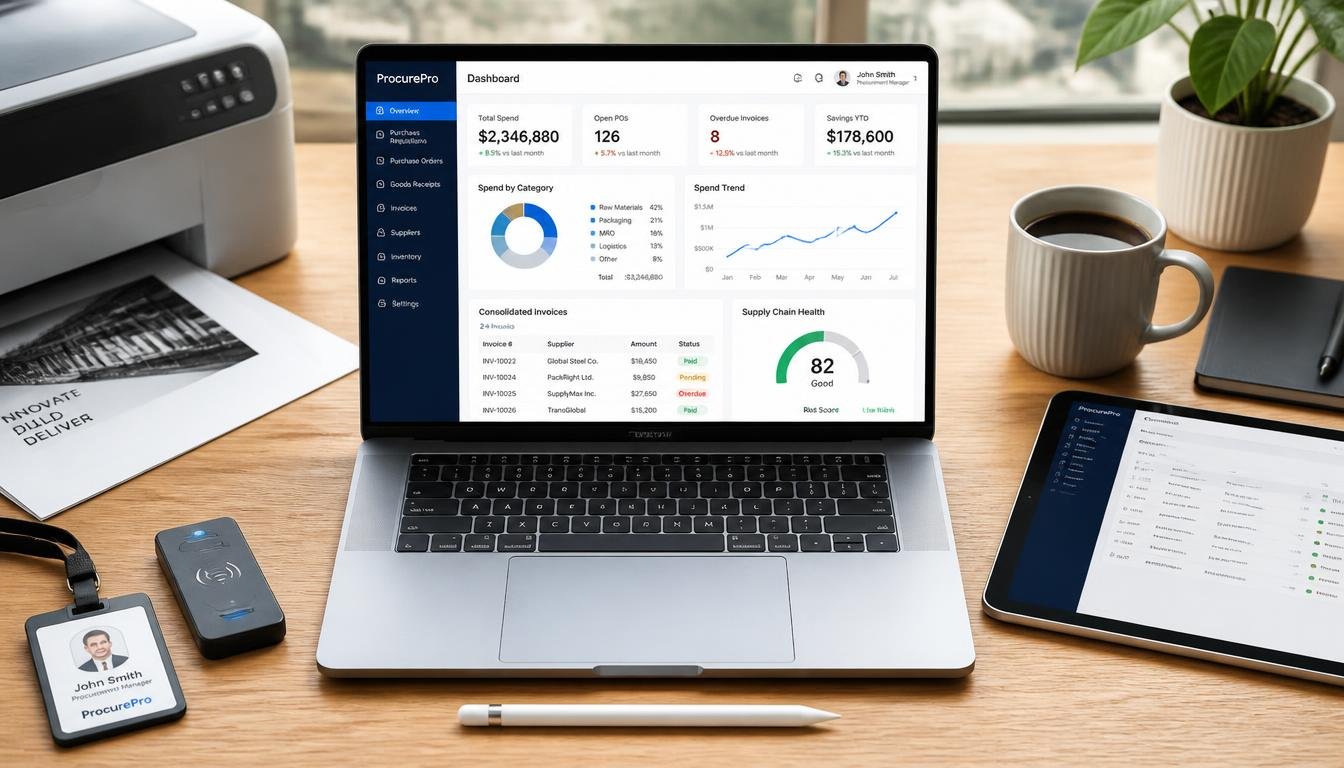
Every growing organization eventually hits a purchasing crossroad: should you recruit an internal buying department or partner with an external sourcing provider? As supply chains face rapid economic

Summary Outsourcing procurement allows businesses to reduce indirect purchasing costs by 15% to 22%, eliminate maverick spending, and reclaim up to 14 staff hours per department each week.