No products in the cart.



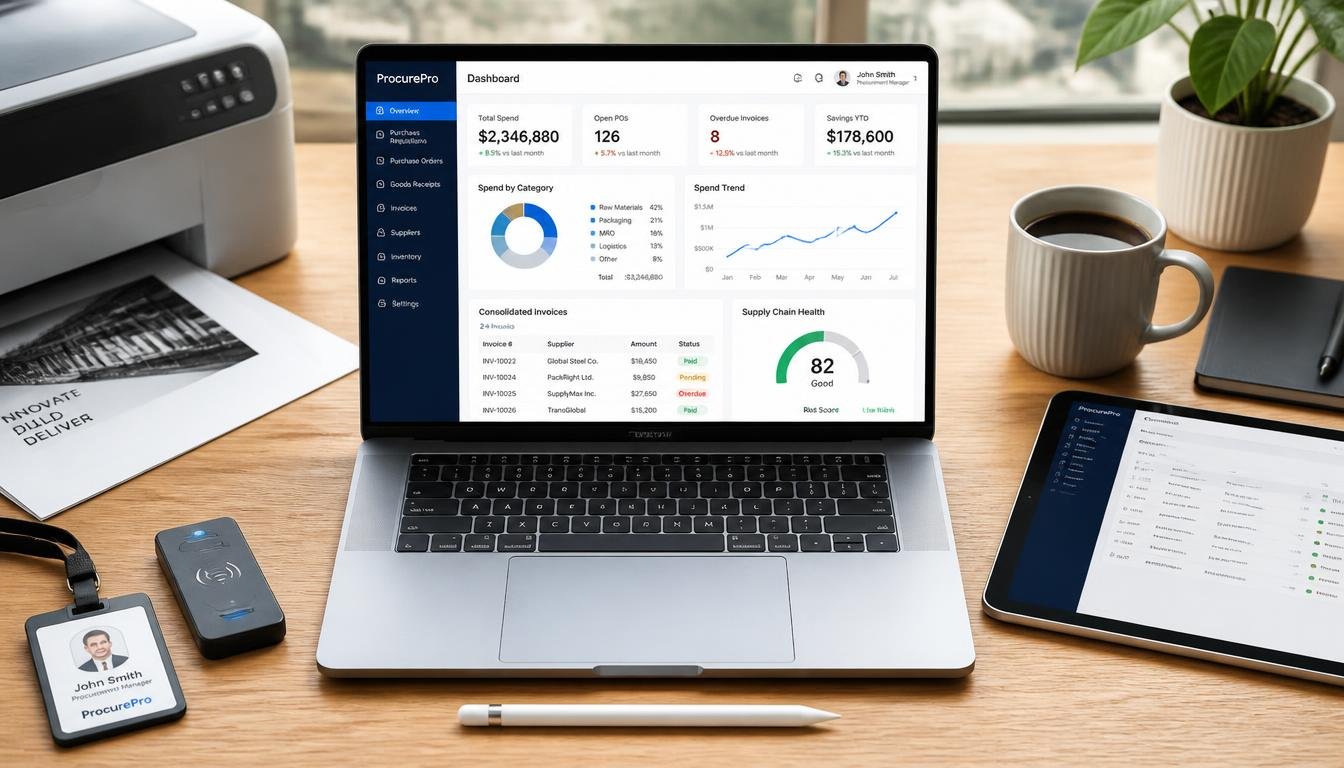
Every growing business hits a predictable operational bottleneck. As headcounts expand and branch offices multiply, purchasing essential indirect goods from office machines, networking hardware, and ergonomic furniture to

No products in the cart.
Running an office in Saudi Arabia presents unique opportunities and challenges for cost optimization. This comprehensive guide explores proven strategies to reduce operational expenses while maintaining productivity and compliance with local regulations. From smart procurement practices and energy efficiency measures to digital transformation and workforce optimization, we cover actionable tactics tailored specifically for the Kingdom’s business environment. Whether you’re managing a startup in Riyadh or overseeing operations in Jeddah, these cost-reduction strategies align with Vision 2030’s emphasis on business efficiency and sustainability.
Saudi Arabia’s business landscape is evolving rapidly. According to the General Authority for Statistics, operational costs for commercial establishments increased by approximately 12% between 2021 and 2023, driven largely by rising utility expenses and inflation pressures. The Kingdom’s SME sector, which represents over 90% of registered businesses, faces particular pressure to optimize spending while remaining competitive.
Here’s an encouraging reality: organizations implementing strategic cost-reduction measures report savings between 15-30% on annual operational expenditures. The key lies not in cutting corners, but in working smarter. At Supplies Hub, we’ve helped hundreds of businesses across the Kingdom streamline their operations, and this guide distills our collective experience into actionable insights you can implement immediately.
Before implementing any cost-reduction strategy, you need crystal-clear visibility into where your money actually goes. Most Saudi offices allocate their operational budgets across several primary categories that deserve individual attention.
Fixed costs typically include rent, insurance, and base salaries. Variable expenses encompass utilities, supplies, maintenance, and seasonal staffing. In major Saudi cities like Riyadh and Jeddah, commercial rent alone can consume 25-35% of operational budgets. Understanding this breakdown helps prioritize where to focus optimization efforts.
The Saudi Chambers of Commerce reports that businesses conducting quarterly expense audits identify an average of 18% more savings opportunities than those reviewing annually. Simple tracking tools and cloud-based accounting systems approved for Saudi compliance make this process significantly easier than traditional manual methods.
Many offices overlook substantial expense categories hiding in plain sight. Printing and paper consumption, for instance, costs Saudi businesses an estimated SAR 15,000-50,000 annually for mid-sized operations. Equipment maintenance agreements often include unnecessary coverage, while subscription services accumulate without regular review.
Transportation allowances, hospitality expenses for client meetings, and overtime payments frequently exceed budgeted amounts. Creating a comprehensive expense map that captures these hidden drains establishes the foundation for meaningful cost reduction.
Procurement represents one of the highest-impact areas for immediate cost savings. Strategic purchasing decisions can reduce supply expenses by 20-40% without compromising quality or availability.
Consolidating suppliers offers dual benefits: volume discounts and reduced administrative overhead. Rather than managing multiple vendor relationships for different product categories, partnering with comprehensive suppliers like Supplies Hub simplifies procurement while leveraging bulk pricing advantages.
Saudi businesses benefit particularly from establishing annual purchasing agreements with fixed pricing, protecting against market fluctuations that affected import costs significantly during recent global supply chain disruptions. Negotiating payment terms aligned with your cash flow cycle further optimizes working capital.
The Kingdom’s push toward localization under Vision 2030 creates incentives for sourcing from Saudi-based suppliers and manufacturers. Beyond potential regulatory benefits, local sourcing reduces shipping times, eliminates customs delays, and often provides more responsive customer service.
However, balanced sourcing strategies recognize that certain specialized items may require international procurement. The key is evaluating total cost of ownership including shipping, customs duties, and potential delays rather than focusing solely on unit prices.
Digital procurement platforms streamline purchasing processes while providing valuable spending analytics. ZATCA-compliant e-invoicing integration, now mandatory for many Saudi businesses, makes digital procurement practically essential. These platforms often reveal spending patterns and savings opportunities that manual processes miss entirely.
With air conditioning running nearly year-round in most of Saudi Arabia, energy costs represent a substantial operational expense. The Saudi Electricity Company reports that commercial buildings account for approximately 30% of national electricity consumption, highlighting significant optimization potential.
Smart thermostat systems and zoned cooling can reduce air conditioning costs by 15-25%. Setting temperatures at 24-25°C rather than lower settings during business hours, combined with proper building insulation, delivers substantial savings without compromising comfort.
Regular HVAC maintenance, including monthly filter replacement and annual professional servicing, maintains system efficiency. Many Saudi businesses report that neglected maintenance leads to 20-30% higher energy consumption from systems working harder to achieve desired temperatures.
LED lighting retrofits typically pay for themselves within 12-18 months through reduced electricity consumption and longer bulb life. Motion sensors in common areas like restrooms, meeting rooms, and corridors eliminate waste from forgotten lights.
Equipment power management often goes overlooked. Computers, printers, and monitors left running overnight and weekends consume significant electricity. Implementing automatic shutdown schedules or smart power strips addresses this without requiring behavioral changes from staff.
Saudi Arabia’s abundant sunlight makes solar installations increasingly attractive for commercial properties. While initial investment is substantial, government initiatives supporting renewable adoption and rising traditional energy costs improve the business case annually. Some industrial areas offer specific incentives for businesses implementing green energy solutions.
Saudi Arabia ranks among the top Arab nations for digital transformation adoption, with the Digital Government Authority reporting over 60% of businesses implementing some form of operational automation. The productivity and cost benefits drive this rapid adoption.
Moving toward paperless operations reduces direct costs (paper, ink, storage) while dramatically improving productivity. Digital document management systems enable faster retrieval, easier collaboration, and better security than physical filing systems.
Cloud-based solutions approved for Saudi data residency requirements eliminate local server maintenance costs while providing scalability. Microsoft 365, Google Workspace, and regional providers offer compliant options suitable for various business sizes and sectors.
Robotic Process Automation (RPA) handles repetitive tasks like invoice processing, data entry, and report generation at fractions of human labor costs. Even simpler automation through workflow tools reduces administrative time spent on routine approvals and notifications.
Chatbots and automated customer service systems increasingly handle initial inquiries, reserving human staff for complex interactions that truly require personal attention. This optimization improves both cost efficiency and service quality.
The pandemic permanently altered workspace expectations globally, and Saudi Arabia’s business community has embraced hybrid models that offer both employee flexibility and operational savings.
Companies implementing hybrid arrangements often reduce physical office footprint by 20-40%, with corresponding savings on rent, utilities, and maintenance. Hot-desking arrangements maximize available space utilization without compromising productivity.
Coworking spaces in Riyadh, Jeddah, and Dammam provide flexible alternatives for businesses with variable space needs. These arrangements eliminate long-term lease commitments while providing professional environments for client meetings and collaborative work.
Meeting rooms frequently sit empty while employees struggle to book them during peak times. Smart scheduling systems, combined with policies discouraging unnecessary in-person meetings, optimize this valuable space. Virtual meeting platforms for internal discussions reduce both space requirements and employee transportation time.
How you manage supplier relationships significantly impacts long-term operational costs. Strategic partnerships deliver better value than purely transactional vendor relationships.
Regular vendor reviews at least annually ensure your agreements reflect current market conditions. Suppliers often offer better terms to retain established customers, but these improved rates require negotiation. Benchmark your pricing against market rates and don’t hesitate to discuss alternatives.
Managing fewer supplier relationships reduces administrative overhead while strengthening individual partnerships. Comprehensive suppliers offering multiple product categories office supplies, technology, furniture, and maintenance items simplify procurement while often providing volume-based incentives.
At Supplies Hub, we’ve observed that clients consolidating their procurement typically experience smoother ordering processes, faster issue resolution, and 15-25% lower overall costs compared to fragmented supplier arrangements.
Cost reduction must operate within Saudi Arabia’s regulatory framework. ZATCA’s evolving requirements around e-invoicing, VAT documentation, and financial reporting affect how businesses structure their operations and transactions.
Saudization requirements under the Nitaqat program influence staffing decisions and associated costs. Understanding these regulations ensures your cost optimization strategies don’t inadvertently create compliance issues that generate larger expenses through penalties or operational disruptions.
Sustainable cost reduction requires systematic implementation rather than sporadic initiatives. Start by auditing current expenses thoroughly, then prioritize opportunities based on potential savings and implementation complexity.
Begin with quick wins, supplier negotiations, energy optimization, and subscription reviews that generate immediate savings. Reinvest a portion of these savings into longer-term improvements like digital transformation and workspace optimization.
Regular monitoring through monthly or quarterly reviews maintains focus and allows adjustment as conditions change. The Saudi business environment continues evolving rapidly, and your cost management strategies should evolve accordingly.
Reducing office operational costs in Saudi Arabia requires understanding local market dynamics, regulatory requirements, and available optimization opportunities. The strategies outlined in this guide smart procurement, energy efficiency, digital transformation, workspace optimization, and strategic vendor management offer proven pathways to significant savings.
Supplies Hub supports Saudi businesses throughout this optimization journey, providing comprehensive procurement solutions that simplify purchasing while delivering competitive pricing. Contact our team to discuss how consolidated sourcing can reduce your operational costs while improving service quality.
Your path to lower operational costs starts with a single step. Choose one strategy from this guide and implement it this week. The cumulative impact of consistent optimization efforts will transform your business’s financial efficiency.

SEO & Content Marketing Specialist focused on building search-driven brands through strategic content, organic growth, and audience-first storytelling. Skilled in modern SEO, content strategy, and creating scalable digital experiences.
SEO & Content Marketing Specialist focused on building search-driven brands through strategic content, organic growth, and audience-first storytelling. Skilled in modern SEO, content strategy, and creating scalable digital experiences.
Related Blogs
Every growing business hits a predictable operational bottleneck. As headcounts expand and branch offices multiply, purchasing essential indirect goods from office machines, networking hardware, and ergonomic furniture to
Every growing organization eventually hits a purchasing crossroad: should you recruit an internal buying department or partner with an external sourcing provider? As supply chains face rapid economic

Summary Outsourcing procurement allows businesses to reduce indirect purchasing costs by 15% to 22%, eliminate maverick spending, and reclaim up to 14 staff hours per department each week.